
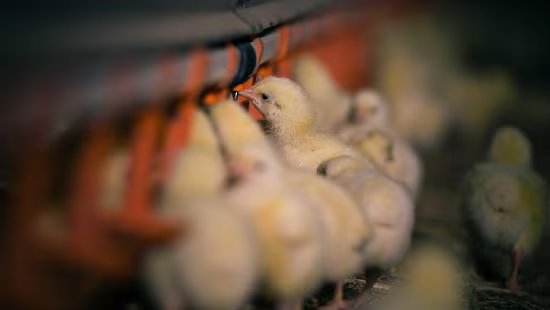
Poultry Drinking Water Treatment
Water plays a vital role in chickens’ health by helping them regulate their body temperature, digest food, and eliminate toxins. Chickens generally consume at least twice as much water as feed under normal temperatures, making the treatment of poultry drinking water just as essential as cleaning and disinfecting surfaces.
Contaminated drinking water can undermine the immune system of chickens and hinder your poultry house hygiene efforts, leading to stress and diseases due to constant exposure to infection. Pathogens like Salmonella, E. coli, Streptococcus, and coccidiosis can spread rapidly throughout the poultry house, affecting every drinking nipple.
Water is the fastest way pathogens can spread disease within a poultry farm, affecting the majority of your flock. On the flip side, treating drinking water appropriately ensures healthier chickens and more effective biosecurity.
Poultry Drinking Water Acidifier and Disinfection
Acidification and disinfection play crucial roles in improving the quality of poultry drinking water by reducing the bacterial load and mitigating the risks of Salmonella and Campylobacter contamination. These treatment methods lower the pH in chickens’ stomachs, which enhances protein digestibility, feed conversion, and promotes weight gain.
We recommend using poultry water treatment products that feature synergistic formulations of multiple organic acids. These organic acids have superior buffering capacities and gradually decrease the pH, ensuring effective and controlled treatment while maintaining optimal poultry health.
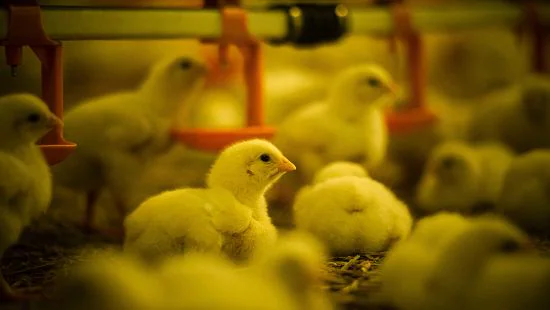
Active Compounds for Poultry Drinking Water
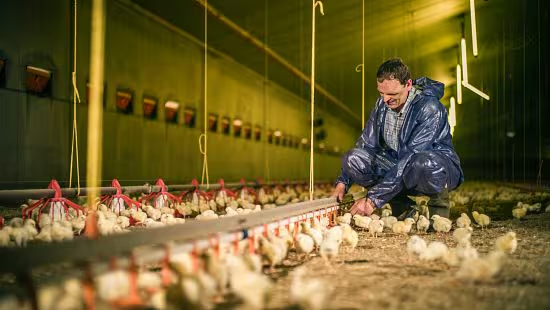
Chlorine Dioxide
Chlorine dioxide is a potent oxidizer that effectively combats a wide range of pathogens. When used to treat drinking water in poultry production, it helps control harmful microorganisms, reduces and eliminates biofilm, and enhances the bacteriological quality of the water. Additionally, chlorine dioxide improves the taste and odor of the water, making it more palatable for the chickens. The overall outcome is a reduction in mortality rates and an improvement in farm performance.
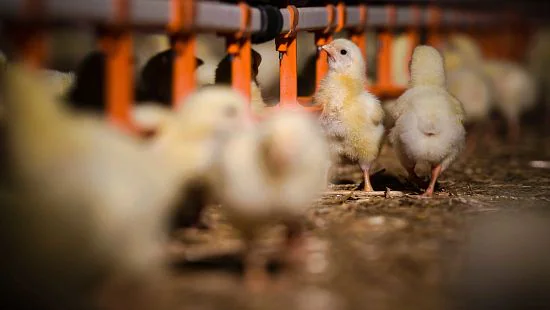
Peracetic Acid
Peracetic acid (or peroxyacetic acid) is a powerful disinfectant made from a combination of hydrogen peroxide and acetic acid. As a strong oxidizer, it is highly effective against a broad spectrum of pathogens. In poultry production, peracetic acid is used to disinfect water lines, significantly improving the bacteriological quality of the water. It also eliminates biofilms, enhancing the overall sanitary conditions of the flock and helping to reduce the risk of disease transmission.
Cleaning and Disinfecting Poultry Water Lines

We’re Here to Help
Disease prevention is Taba specialty. Connect with us to learn about biosecurity solutions for:
- Animal Health
- Farm Productivity
- Meat Production
- Sales
Request an Animal or Plant Production Consultation
* indicates required field
